3 Lcd vs. Dlp: Which Wins for Your Room?
Choosing between these projector technologies dictates your entire visual experience. Ambient light control and contrast performance hang directly on this core engine choice.

For dedicated dark theaters with zero light, Dlp wins on raw native contrast. For mixed-use living rooms demanding vibrant punch, 3 Lcd takes the crown.
Compare full category rankings in our Best Outdoor Projector For Daylight: Top Picks (2026).
Side-by-Side Specification Breakdown
| Criteria | 3 Lcd | Dlp | Edge |
|---|---|---|---|
| Ambient Light Rejection | High white brightness retention | High single-chip ANSI contrast | 3 Lcd |
| Black Levels & Perceived Contrast | Moderate native black floor | Superior native ANSI contrast | Dlp |
| Peak Brightness & HDR Punch | Equal color and white lumens | Color brightness drops via color wheel | 3 Lcd |
| Screen Size & Immersion | Flexible placement with wide zoom | Crisp pixel alignment at large sizes | Dlp |
| Viewing Angles & Uniformity | Zero color separation artifacts | Potential rainbow effect vulnerability | 3 Lcd |
| Gaming Motion & Input Lag | Low latency with steady refresh | Sub-16ms lag with fast DLP response | Dlp |
| Room Setup & Maintenance | Prism alignment drift over time | Sealed light path with DMD durability | Dlp |
Optical Engine Fundamentals and Native Light Output
Understanding how light travels through these distinct optical engines explains their real-world performance. 3 Lcd technology splits white lamp or laser light through dichroic mirrors into separate red, green, and blue panels before recombining.
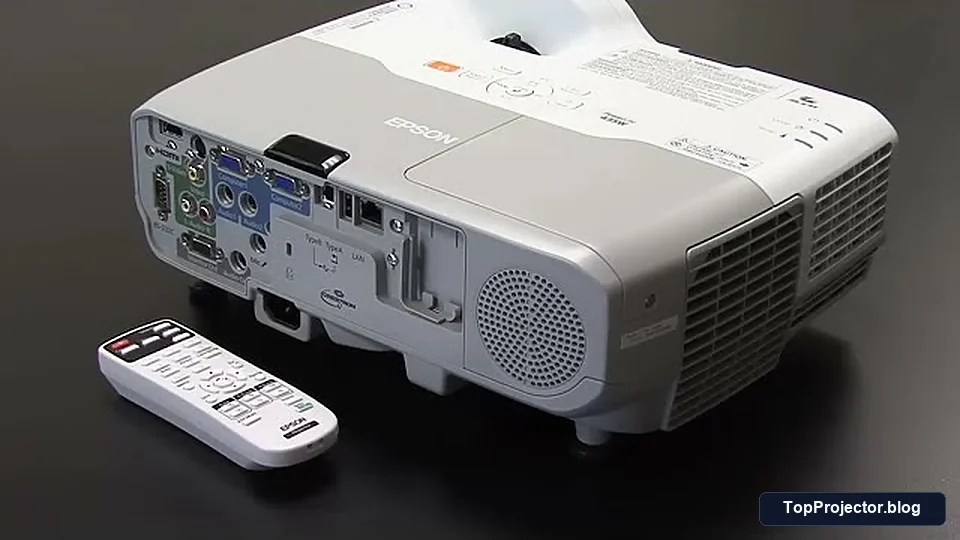
Conversely, single-chip Dlp systems route light through a rapidly spinning color wheel onto a microscopic array of pivoting mirrors. This fundamental hardware difference directly dictates your daily viewing experience and overall maintenance requirements.
Engineers measure these differences through strict ANSI lumen standards. While specifications look similar on paper, real-world color brightness diverges significantly between these two optical architectures during challenging mixed-lighting scenes.
- 3 LCD uses three separate liquid crystal panels simultaneously.
- Single-chip DLP reflects light sequentially via a spinning color wheel.
- Color brightness equals white brightness natively on 3 LCD models.
Evaluating Light Path Efficiency
Light loss occurs differently across both projection systems depending on internal component efficiency. Color brightness suffers on traditional color wheel projectors when balancing white output for bright room conditions.
Meanwhile, three-panel systems maintain identical color and white lumens, delivering exceptional vividness when consulting our best outdoor projector for daylight guide without dimming darker image regions during daytime use.
- Dichroic prism losses impact absolute white output efficiency.
- Color wheel segment designs dictate RGB balance trade-offs.
Black Floor Depth and Dynamic Contrast Performance
Achieving convincing cinematic depth requires managing ambient light bounce and native black levels. Dlp projectors consistently achieve superior native ANSI contrast ratios, making dark movie scenes look rich and deeply immersive.
By contrast, 3 Lcd units often exhibit slightly elevated black floors in pitch-black rooms, which you can measure accurately using our throw distance calculator before mounting.
Advanced dynamic iris systems help mitigate this limitation on higher-end three-panel units. However, purists chasing reference-grade shadow detail usually favor single-chip digital micro-mirror devices for dedicated darkroom installations.
- DLP delivers superior native dark-room ANSI contrast performance.
- 3 LCD relies on dynamic irises to lower black floor levels.
- Shadow detail definition favors single-chip micro-mirror arrays.
Pitch-Black Theater vs. Ambient Living Rooms
In controlled dark environments, native contrast defines realism. The black floor performance of single-chip technology provides a stark advantage for watching cinematic horror and gritty sci-fi thrillers.
In living rooms with white walls, room reflections wash out native blacks anyway. This optical reality minimizes the inherent contrast advantage that single-chip architectures hold over three-panel designs.
- Room boundary reflections degrade native contrast advantages.
- Dark theater environments expose subtle black floor differences.
Ambient Light Rejection in Real Living Spaces
Most projectors do not live in bat caves; they battle living room windows and overhead lamps. 3 Lcd models excel here by flooding the screen with matched color and white brightness to overcome glare.
When ambient light enters your space, maintaining saturation becomes the primary challenge. High lumen output ensures that images retain punchy contrast even when afternoon sunlight leaks through standard blinds.
Single-chip alternatives often boost white segments on color wheels, which washes out skin tones during daytime viewing. Choosing the right projector requires evaluating your exact room lighting profile and window orientation.
- High lumen output combats uncontrolled daytime living room glare.
- Matched color brightness prevents washed-out daytime image presentations.
- Window placement dictates necessary ANSI lumen thresholds.
Daytime Viewing Strategies
Pairing your hardware with specialized ambient light rejecting screens transforms daytime performance. High gain surfaces amplify projector output while rejecting off-axis environmental illumination from side windows.
Three-panel configurations handle these high-gain screens without introducing severe color shift artifacts. This synergy makes them ideal for sports viewing and casual family entertainment during peak daylight hours.
- ALR screens reject off-axis environmental ceiling light.
- High gain surfaces preserve daytime contrast and color saturation.
Color Fidelity, Gamut Volume, and HDR Tracking
High dynamic range content demands expansive color gamuts and precise tone mapping algorithms. 3 Lcd designs deliver vibrant wide color coverage without introducing distracting artifacts like the infamous rainbow effect.
Because all three primary colors project simultaneously, color volume remains remarkably stable across bright and dark scenes. Viewers prone to visual fatigue from color sequential displays experience zero eye strain here.
On the other hand, fast color wheels on modern digital light processors minimize rainbow visibility for most users. However, color brightness limitations can still impact HDR highlight tracking during intense daytime sessions.
- Simultaneous color projection eliminates rainbow artifacts completely.
- Wide color gamuts enhance modern HDR movie tone mapping.
- Color volume stability prevents mid-tone desaturation during bright scenes.
HDR Tone Mapping Performance
Accurate HDR reproduction pushes projection optics to their absolute limits. Tone mapping algorithms must balance peak specular highlights with shadow detail without crushing mid-tone color saturation.
Three-panel engines process these complex HDR metadata streams with impressive fidelity. Their balanced light output ensures subtle gradients in sunsets and explosions render smoothly without clipping highlights.
- Metadata processing preserves subtle highlight luminance steps.
- Smooth gradient rendering prevents harsh color banding artifacts.
Motion Resolution, Pixel Response, and Gaming Lag
Modern console and PC gaming demand ultra-low input lag and rapid pixel response times. Dlp projectors shine here, offering sub-16ms latency figures and exceptional motion clarity during fast-paced competitive shooters.
The physical micro-mirrors switch states in microseconds, practically eliminating ghosting during rapid camera pans as highlighted in our detailed BenQ X3100i review for competitive gamers.
While three-panel displays have narrowed the latency gap considerably in recent generations, their liquid crystal response times can occasionally exhibit minor trailing during ultra-fast motion sequences.
- Sub-16ms input lag ensures competitive gaming responsiveness.
- Micro-mirror response speed eliminates fast motion blur.
- High refresh rate support enhances modern console performance.
Console Gaming vs. Cinema Immersion
Competitive gamers prioritize low input lag above all else to ensure instant visual feedback. Single-chip architectures deliver this snappy response reliably across various resolution modes.
Cinematic immersion enthusiasts prioritize color accuracy and black depth over milliseconds of latency. Understanding your primary usage profile dictates which technology deserves prime shelf space.
- Instant visual feedback benefits competitive multiplayer gaming.
- Motion clarity maintains sharpness during fast action sequences.
Optical Alignment, Lens Shift, and Installation Geometry
Physical installation constraints dictate throw ratios, lens shift flexibility, and mounting complexity. 3 Lcd chassis often feature generous optical lens shift ranges, simplifying placement on tricky ceilings or shelves.
Wide zoom ranges allow precise image sizing without digital keystone correction, which preserves full resolution and contrast. Alignment stability remains robust, though extreme temperature shifts can require minor convergence tweaks over years.
Single-chip alternatives sometimes rely on fixed lenses or limited digital shifting, requiring precise physical placement. However, their sealed light paths protect the core imaging chips from dust accumulation and degradation.
- Generous lens shift simplifies flexible room ceiling mounting.
- Wide optical zoom preserves native resolution without keystone degradation.
- Sealed light paths protect internal optics from dust ingress.
Throw Ratios and Placement Flexibility
Calculating your room dimensions ensures the projected image fills your screen perfectly. Throw ratio flexibility determines whether a projector fits snugly on a back shelf or requires learning how to attach projector to ceiling.
Flexible optical zoom ranges give installers valuable leeway when retrofitting older theater rooms. This prevents costly screen replacements or structural ceiling modifications during equipment upgrades.
- Flexible throw ratios accommodate varied room depths.
- Optical zoom precision prevents unnecessary digital resolution scaling.
Definitive Scenario-Based Winner Selection
Selecting the ideal projector technology comes down to your specific room environment and viewing habits. 3 Lcd units dominate multi-purpose living spaces requiring high color brightness and flexible installation geometry.
Conversely, dedicated dark home theaters prioritizing razor-sharp native contrast and low-latency gaming responsiveness find their champion in Dlp hardware. Assess your lighting conditions honestly before making a final purchasing commitment.
Both projection methodologies offer exceptional cinematic value when matched to the right environment. Let your room lighting, screen size, and primary content sources guide your definitive investment decision today.
- Living rooms with ambient light favor high-brightness 3 LCD.
- Dedicated dark theaters benefit from superior DLP native contrast.
- Gaming setups thrive on rapid DLP micro-mirror response times.
Final Buyer Decision Matrix
Review your priorities against optical physics to guarantee long-term satisfaction. TopProjector recommends balancing ambient light control with your preferred media genres before finalizing your setup.
Investing in proper screens and calibration maximizes the inherent strengths of whichever engine you choose. Enjoy your immersive big-screen journey with confidence and precision.
- Match projector strengths to actual room lighting realities.
- Calibrate contrast and color settings for optimal visual fidelity.
Frequently Asked Questions
Which projector technology is better for bright living rooms?
Models utilizing 3 Lcd technology excel in bright living rooms because their matched color and white brightness overcome ambient daylight glare effectively. This ensures your sports and casual viewing retain vibrant saturation without washing out skin tones.
What causes the rainbow effect on single-chip displays?
The rainbow effect occurs when viewers notice flashes of primary colors from spinning color wheels. Modern high-speed Dlp engines minimize this artifact significantly, though sensitive viewers should test units before purchasing.
Do three-panel systems suffer from panel alignment drift?
Over many years of thermal cycling, minor convergence shifts can occasionally occur on older three-panel designs. Modern 3 Lcd chassis feature robust internal alignment bracing to maintain crisp optical sharpness over time.
Which architecture delivers superior dark room contrast?
Single-chip micro-mirror systems provide superior native ANSI contrast ratios for pitch-black rooms. This makes Dlp hardware the preferred choice for cinematic movie viewing in controlled dark theater environments.
Are these projectors suitable for competitive gaming?
Both technologies offer dedicated low-latency gaming modes suitable for modern consoles. However, fast-switching micro-mirrors give Dlp units a slight edge in motion clarity and ultra-low input lag.